T(H)REE MINUTES BACK
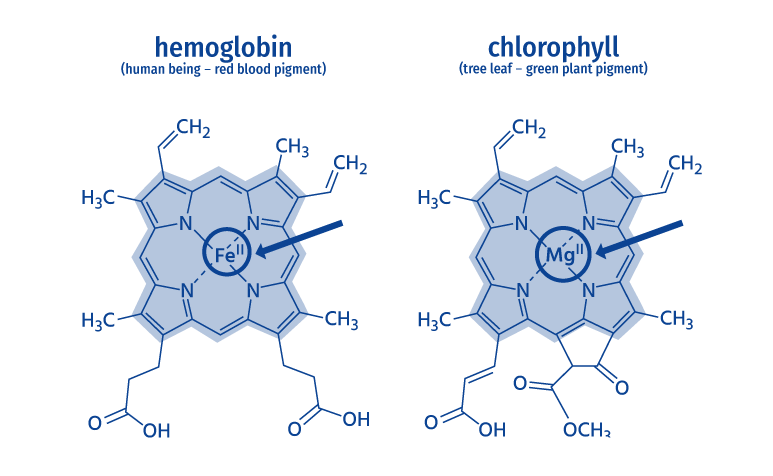
MOLECULAR SIMILARITIES <br><br>
    On a microscopic level, the human red blood pigment hemoglobin
strongly relates with chlorophyll and differentiates on a molecular
basis mainly through the inner arrangement of benzene rings. HUMAN VISION  <br><br>
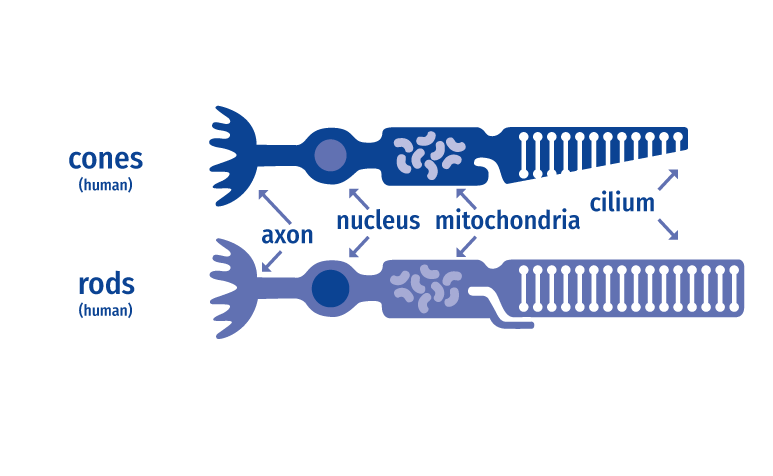
    Comparable to five receptors of human beings,
concentrated in cones (→ 6 million) and rods (→ 120 million)
of the eye’s retina, plants dispose of eleven. Those are overally located in
leaves, stem, tendrils, shoots, and wood. TASTE AND SMELL <br><br>
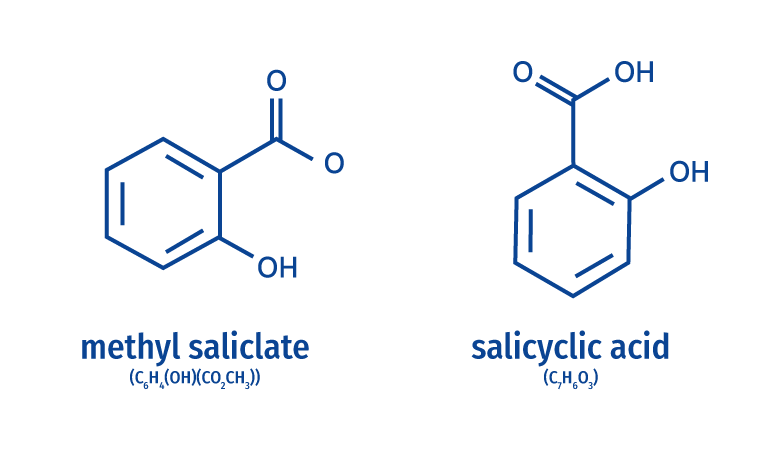
Trees taste salicylic acid and smell methyl salicylate. Those have analgesic and antipyretic effects on
human beings.
INTELLIGENT ROOTS <br><br>
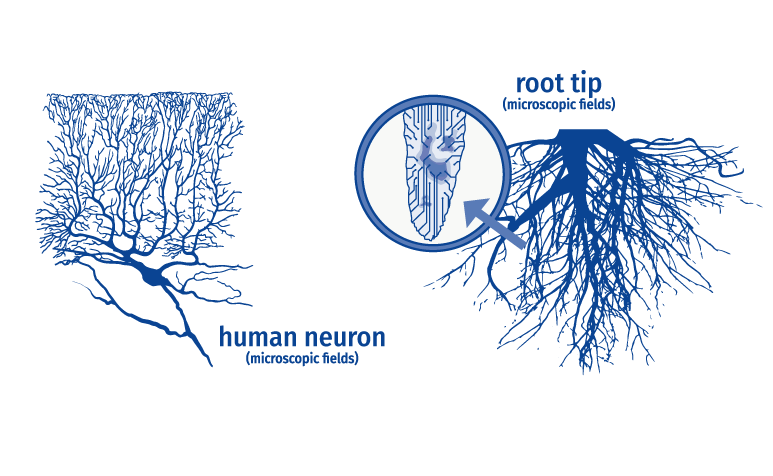
Next to touch receptors on the root top, a trees root system is shaped by action potentials and highly active zones, 
that constantly create and strengthen new connections. Available actin filaments (→ transport
proteins) and neurotransmitter shows microscopic cell similarities to synapses
and neuronal networks in the human brain. Those allow intracellular communication, 
information exchange and collaborative interaction (wood wide web). DIMENSION OF TIME <br><br>
Trees have a different vital rhythm, speed, and temporal
scale, wherefore they are perceived as visually immovable, still or low reactionary.
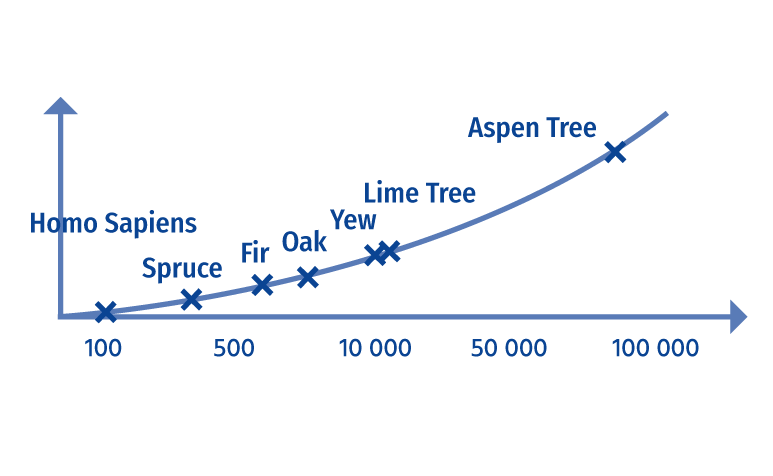
While humans live 80-100 years only, some trees are able to age up to incredible 80 000 years. COMPLEMENTARY BREATH <br><br>
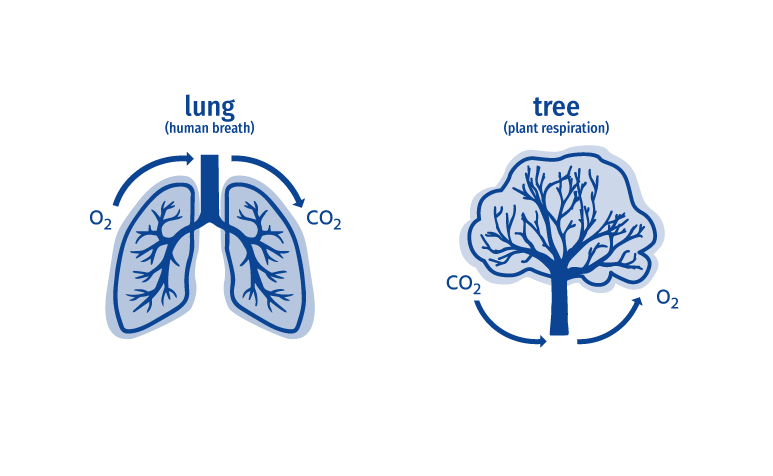
Trees take carbon dioxide out of the air and produce oxygen vital for human respiration. 
Next to this supplementary process, they purify and clean the air by filtering and removing hazardous substances.
×

Download FULL VERSION