Artificial Intelligence: Exploring Machine Learning
The goal of the course was to give an introduction to Artificial Intelligence (AI) to students without a computer science background.
Starting from general concepts and a brief discussion of what AI is and how the term is currently used,
we had a closer look into basic concepts of Machine Learning (ML) and in particular Deep Learning (DL),
i.e., ML with Artificial Neural Nets (ANNs).
To become more familiar with procedures, challenges and pitfalls in training ML models, we used Teachable Machine as a testbed.
TM has the advantage that anybody who is interested in training their own classifiers can do it without a single line of code.
With this technology at hand and theoretical background from the lecture, the students gained their own hands-on experiences in training
DL models and how the characteristics of the training data they provided to the learning system influenced what the system finally could learn.
Brigitte Krenn, Martin Gasser ("Introduction to Artificial Intelligence 2”)
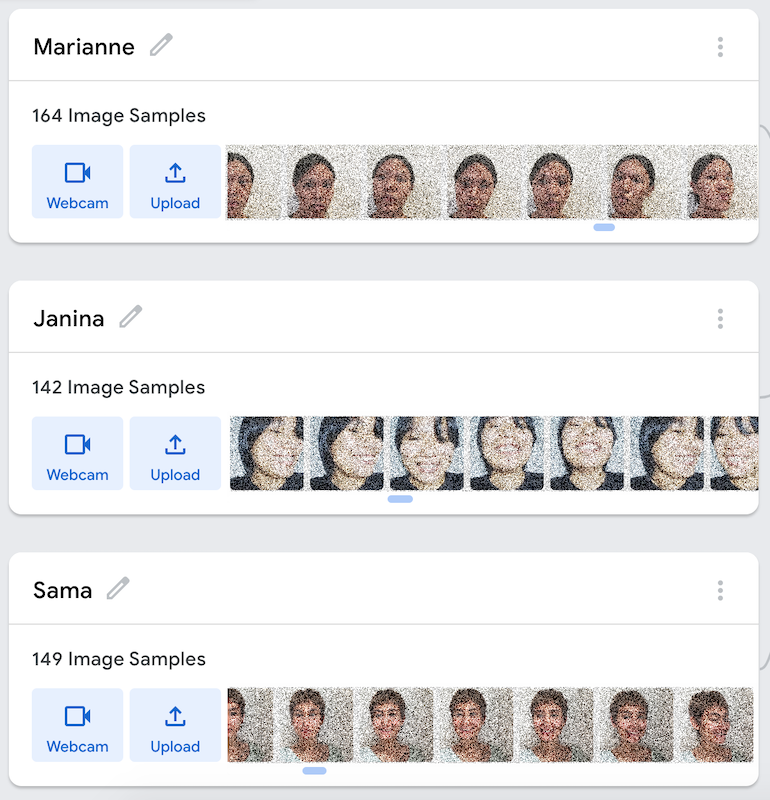
Distinguishing Non-White Faces
This project is based on the racist adage, “All Asians look the same.” Or, to extend this even further, “You have small eyes and therefore you must be Asian somehow, and are therefore [insert stereotype here].” [...] Read More
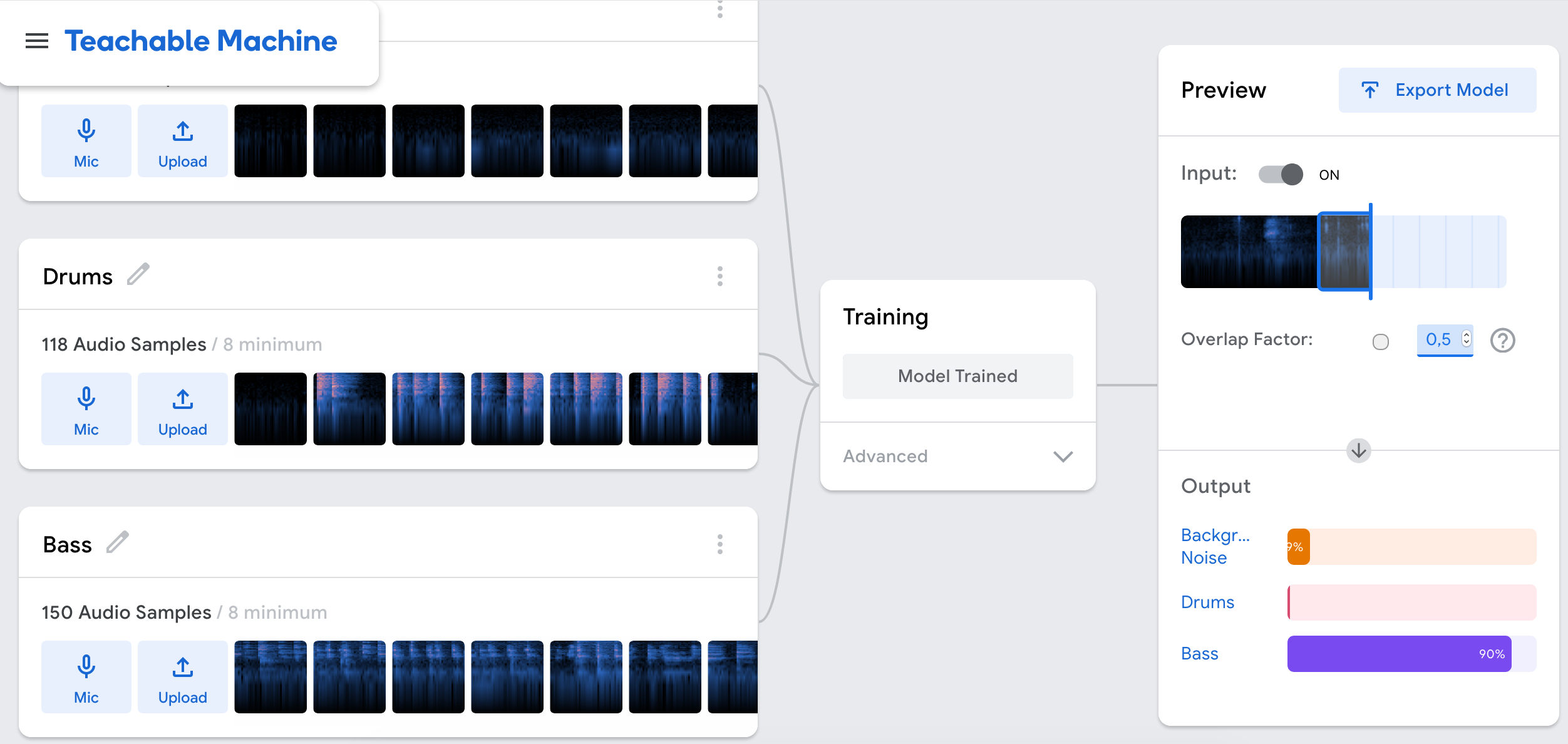
Bass vs. Drums
Let’s play some bass and drums In this blog post we are describing our take on Teachable Machine Audio to classify drum and bass recordings. 1. Corpus creation For a training model we prepared a dataset and recorded a background noise, 118 samples of drums and bass. The bass training data for model 1 consists of mainly one string sounds downloaded from the open library NSyth Dataset, while the bass training data used in model 2 are 50 samples of live recordings. Figure 1. Corpus creation2. Cha [...] Read More
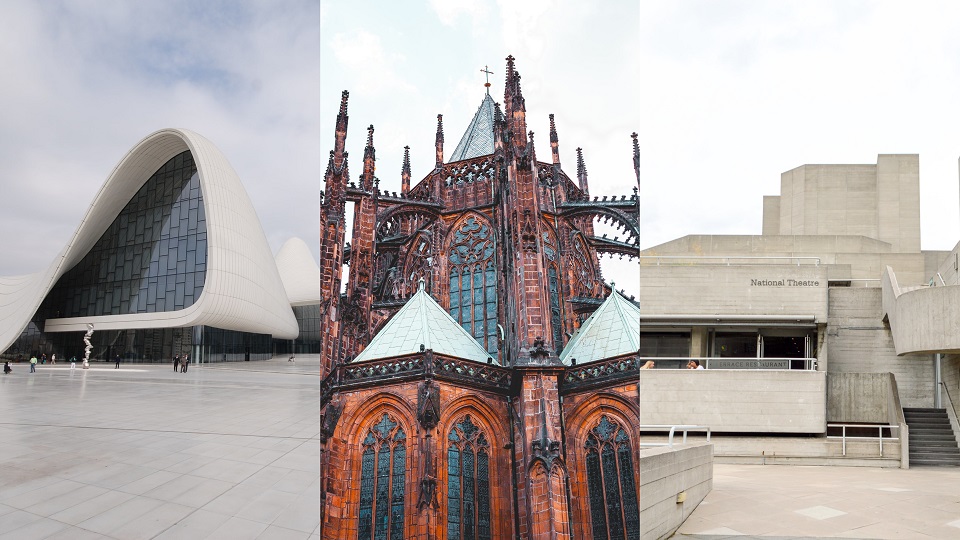
Architectural Style Recognition
The project "Architectural Styles Recognition" aims to differentiate pictures between three different architectural styles. We chose the categories: Neo-futuristic, Gothic, and Brutalist. [...] Read More
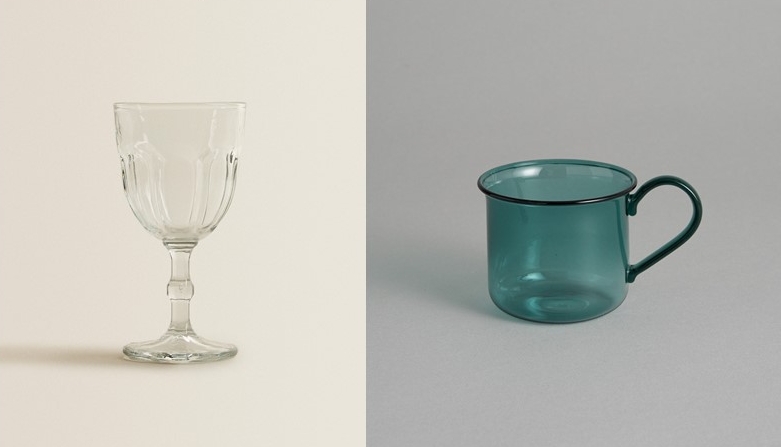
Cups vs. Glasses: An embedded programme
This is a teachable machine trained to distinguish between cups and glasses. The CUPS vs GLASSES project was made as part of the Introduction to Artificial Intelligence 2 course in the Cross-Disciplinary Strategies Department. You can here see the result of their teachable machine. We invite you to show the machine the CUP or GLASS nearest to you in order to see if it can, indeed, tell the difference. Carola Sperger, Liang Wanyuan, Laura Oyuela, Paul Mair and Sebastian Lang decided on the diff [...] Read More
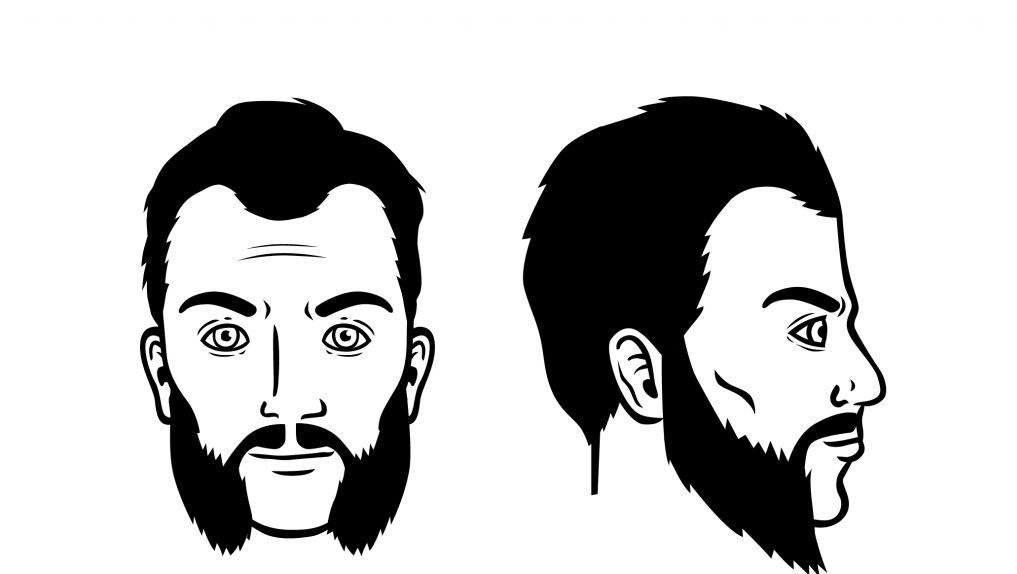
Hairy situation
HAIRY SITUATION Beard recognition, the ästhetics of beards and its history. As part of the course AI, I trained a teachable machine to recognize and categorise different beard styles. The world of beards is an phenomen with increasing significance in our society. Especially due to a growing beard-beauty-industry branch a hole culture of beards was rediscovert. A culture that is closely linked with the history of male identity. Therfore i decided to devote my project to the world of beards and a [...] Read More
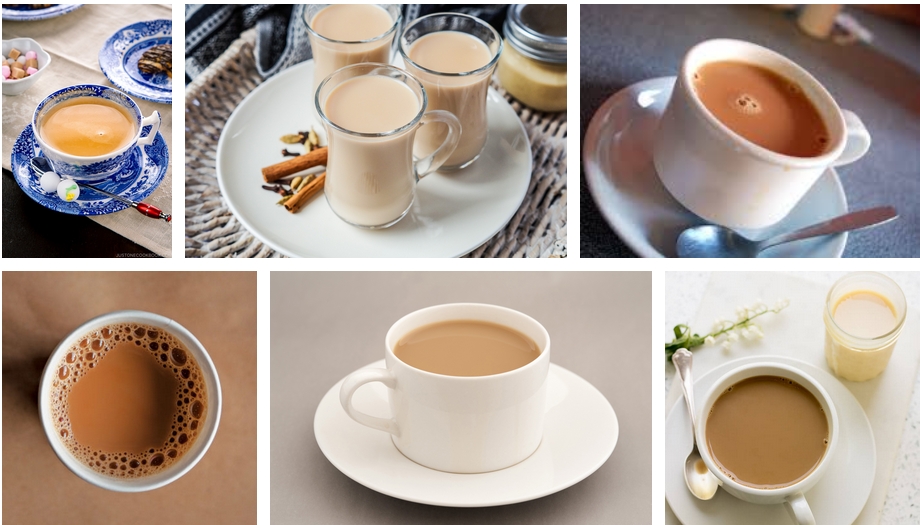
Learn a Machine to Recognize Different Tea Types
We decided to use different tea types for the task to familiarise with Googles Teachable Machine. We used ‘Green Tea’, ‘Matcha Tea’, ‘Black Tea’, ‘Black Tea with Milk’ and ‘Coffee with Milk’ – as the odd one out. Overview of Data-Input We have multiple layers of distinguishment between our classes. Green Tea and Matcha Tea are Green – both rely on Green Tea Plants while Matcha Tea “is finely ground powder of specially grown and processed green tea leaves” (Wikipedia [https://en.wikipedia.org/wi [...] Read More
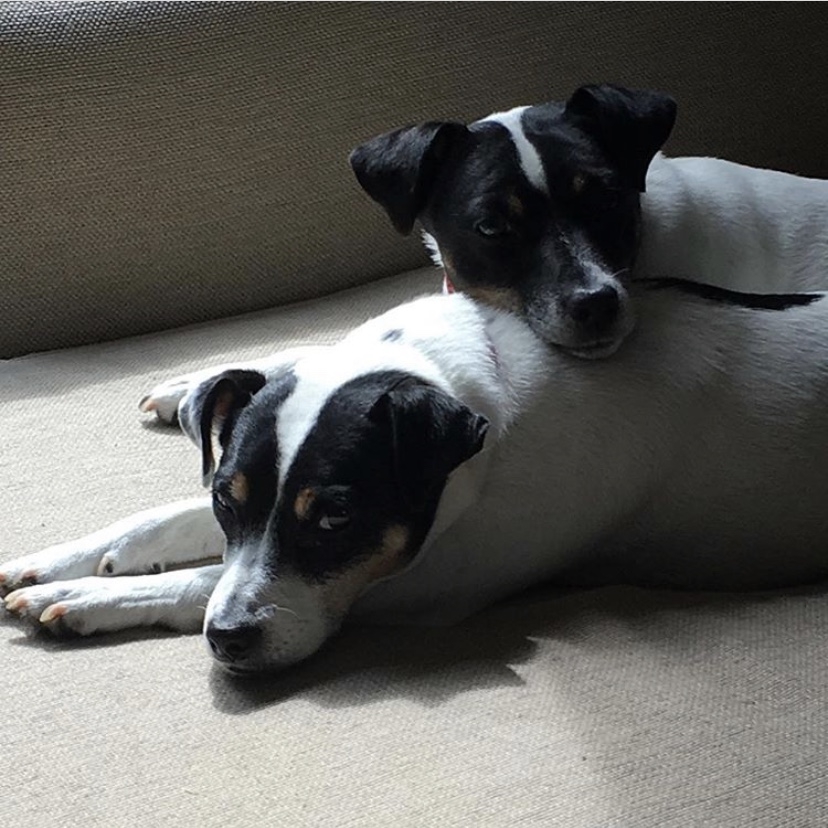
Artificial Intelligence: Jasper or Pippa
For our Summer Semester 2020 Introduction to Artificial Intelligence class, we were asked to create an intelligent machine. I decided to attempt to teach my model to tell the difference between two dogs from the same litter. Jasper and Pippa are Shorthaired Jack Russell Terriers, bought as a pair partially due to how similar they looked as puppies. Jasper and Pippa Firstly, I needed to collect enough data to train the model on. This was done by filming both dogs and using frames from the video [...] Read More